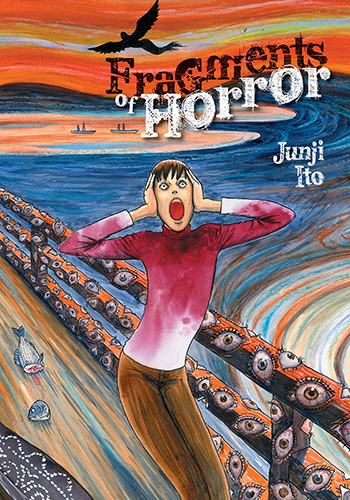
Junji Ito’s 2014 collection Fragments of Horror presents eight short manga stories about ghostly and demonic women and their hapless victims.
In classic Junji Ito style, the plots are fantastic bordering on ridiculous, and the stories are enhanced by marvelously creative and grotesque imagery. You wouldn’t want any of these cautionary tales to happen to you, but it’s great fun to watch them happen to someone else.
Ito writes in his “Afterword” that Fragments of Horror is the first short story collection he’d published since 2006. He also writes that his editor was taken aback by the opening story, “Futon,” in which a young man stays in bed for so long that his blankets become a substrate for mushrooms with hallucinogenic effects. This story is only eight pages long, but it’s filled with vivid imagery, from the fungus-filled blanket being peeled off the man to the pandemonium of hellish creatures he hallucinates. Ito’s editor may have wondered if he’d lost his touch for horror, but “Futon” is a marvelous introduction to the collection.
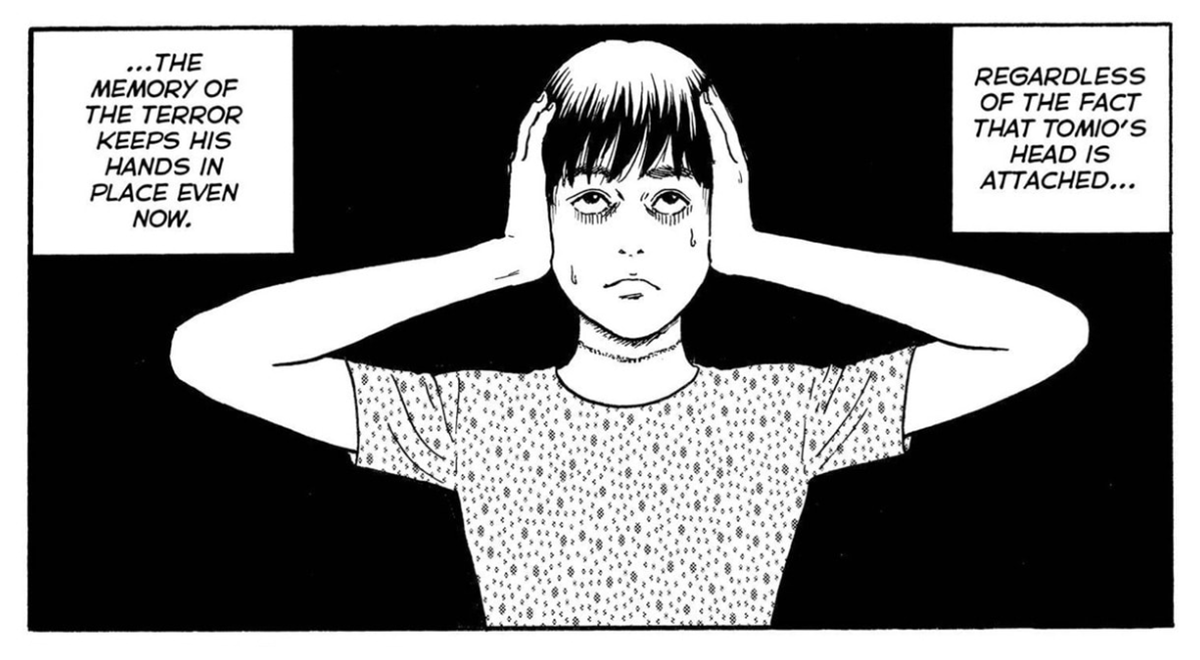
The story that will probably linger in the minds of most readers (whether they want it to or not) is “Tomio – Red Turtleneck,” which is filled with exquisitely unpleasant body horror. I was amazed by the places this story goes. The opening scenario, which involves a young man named Tomio who only manages to stay alive by holding his decapitated head onto his neck, is bizarre enough; but, at the end of the story, a woman’s corpse rapidly decays on the carpet of Tomio’s girlfriend’s apartment as the ghosts of dead babies smile from the sidelines. Perhaps the most outlandish thing about this story, though, is how goofy it is. I could almost feel the grin on the artist’s face as he drew “Tomio,” which is camp horror at its silliest.
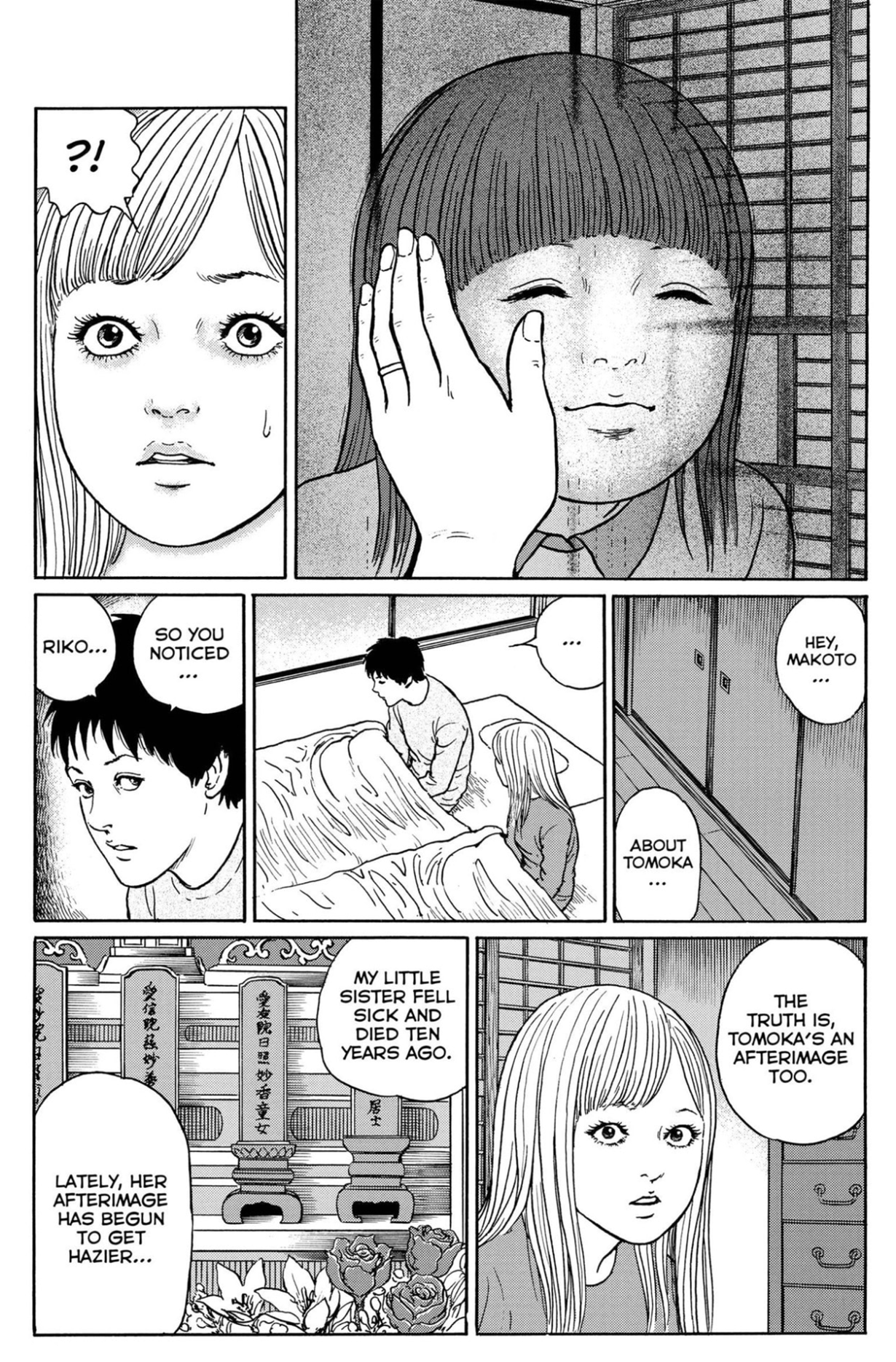
My favorite story, “Gentle Goodbye,” breaks from Ito’s signature campy tone to weave a more subtle and elegiac tale of a haunted household. After Riko marries into “the pedigreed Tokura family,” she notices something strange about their sprawling manor. Namely, there are ghosts about. These shadowy members of the household are mostly ignored, but they’re still treated respectfully. When Riko finally notices that these quiet presences aren’t just distant relatives but actual ghosts, her new husband tells her about a ritual that creates “afterimages” of family members who have died. So that she’s able to understand, he even invites her to participate in one of these rituals herself.
The afterimages created by the family are justified as a means of dealing with grief, but are they really that healthy, psychologically speaking? Or is it perhaps better just to let go?
“Gentle Goodbye” has a number of twists that it would be a shame to spoil, but I think it’s worth commenting on the story’s subtle social commentary. Riko loves her husband; and, though she’s a (relatively) strong and independent modern woman, she considers it an honor to marry into his family. At the same time, living in another family’s house while occupying a subordinate position isn’t an ideal situation, and there’s more than a touch of Daphne du Maurier’s Rebecca in Riko’s story. Who’s to say that Riko isn’t a type of ghost herself?
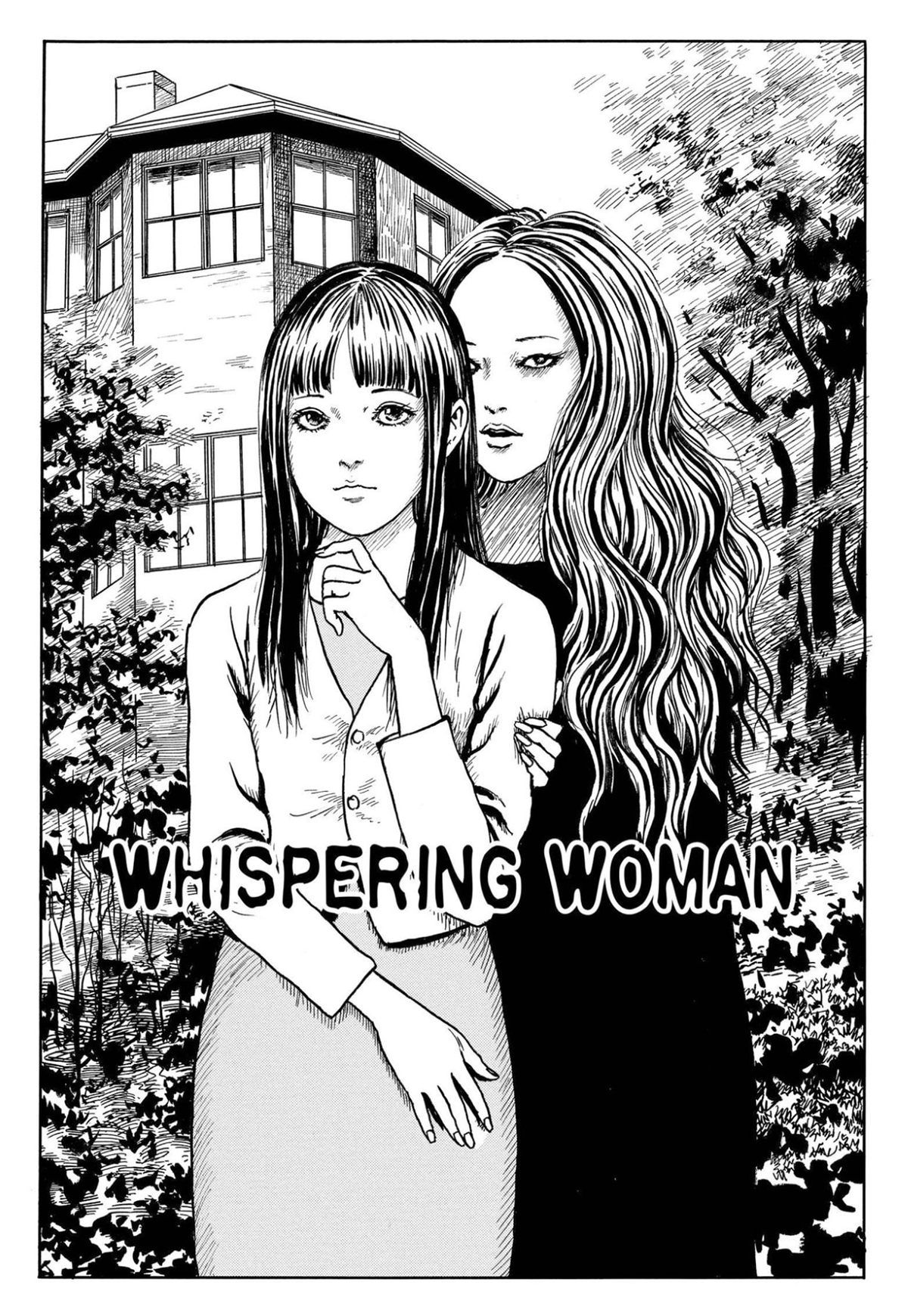
I’m also a fan of “Whispering Woman,” in which a wealthy widower hires a caretaker for his teenage daughter, Mayumi. Mayumi suffers from anxiety and decision paralysis, and her father has determined that she would benefit from a companion to help guide her through the day. Due to the level of time and attention required, most of Mayumi’s caretakers quit after a few sessions.
The young and beautiful Mitsu is different, however. Mitsu seems to be content to live vicariously through Mayumi, who appears to be recovering under her care and attention. Still, given that Mitsu’s private life is anything but healthy, it’s possible that she may have an ulterior motive in issuing quiet suggestions to her impressionable charge.
“Whispering Woman” is 24 pages long, but this story is a journey that manages to cover a lot of narrative ground and character development. It’s difficult to discuss such a short story without spoiling the ending, so let me just say: good for her. Good for both of them, honestly. I wouldn’t want to encounter any of the demonic women drawn by Junji Ito, but I’m delighted to cheer them on from afar.
I’ve always been somewhat lukewarm on Ito’s graphic novels, but I love his short story collections. Fragments of Horror is probably my favorite, from the ridiculous (and ridiculously entertaining) body horror of “Tomio – Red Turtleneck” all the way to the haunting gothic drama of “Gentle Goodbye.” Every story in Fragments of Horror is a banger, and this is the book I’d most strongly recommend to anyone looking for an introduction to the artist’s work. If you’re a fan of spectacular horror art and devilishly campy humor, then this hole was made for you.

