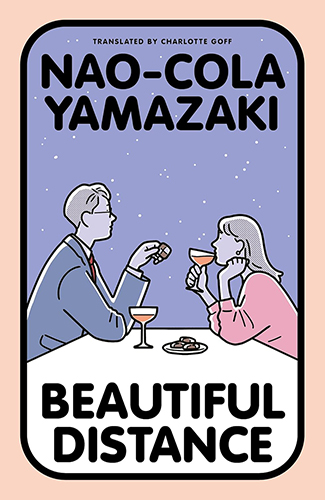
Nao-Cola Yamazaki’s Beautiful Distance is a novel about a man watching his wife die of cancer.
The narrator, an insurance agent at a large firm, has been married to his wife for fifteen years when she’s unexpectedly diagnosed with terminal cancer. When the story opens, she’s already in hospice care and only has about a month to live.
This isn’t a medical drama or a story about resilience; rather, it’s a gentle account of a quiet death that files away some of the harsher edges of the wife’s illness but never gives the reader a false sense of hope.
Despite the seeming bleakness of the situation, Yamazaki’s writing is extremely gentle. It’s hard to believe that a person as sweet and kind as the narrator could exist, but he loves his wife unconditionally and is emotionally mature to an almost superhuman degree.
I’ve seen Beautiful Distance described as a love story, and it’s true that the affection between the narrator and his wife is a major element of the book and its appeal. More than anything, though, this is a story about accepting death and everything it entails, including the “beautiful distance” that will separate the narrator from his wife after she dies.
Admittedly, because the narrator is always on his best behavior, as are his wife and his mother-in-law, Beautiful Distance can sometimes feel a little shallow, especially as it shies away from more complicated emotions such as denial, anger, and the desire to find someone to blame.
Thankfully, the narrator takes on a bit of depth toward the end of the novel when he allows himself to express frustration toward the people who are unable to understand his situation. He becomes annoyed with a doctor who has trouble communicating, for instance, as well as a social worker who falls back on gendered expectations regarding caregiving instead of actually listening to what the narrator tries to tell her. These frustrations serve to make him feel more human, as well as to validate similar feelings on the part of any reader who’s had to deal with large healthcare organizations.
Still, Beautiful Distance is a very gentle book, and it blooms and breathes in the quiet moments of the narrator caring for his wife and his wife’s friendly conversations with the people who come to visit her in the hospital. This story is about facing death with dignity, but it’s also a celebration of living well.
If you suspect that this might not be the book for you, I’d urge you to trust your gut feeling. Still, I’m glad I read Beautiful Distance, and I feel like my life is richer for it.

